

Winter Science CER Activities | Reindeer, Hibernation, & More - Science Ideas for 2025
Reading Time: Under 5 minutes

December through February can be tough months for maintaining student engagement. But what if you could transform the very things making everyone weary. Turn ice, cold, population dynamics, and hibernation into real compelling scientific investigations?
These four winter-themed CER activities leverage the season students are experiencing to build rigorous scientific reasoning skills. From understanding why lakes don't freeze solid (saving millions of aquatic organisms) to discovering why road salt stops working below certain temperatures, these activities reveal fascinating science hidden in everyday winter phenomena.
The best part? Students don't need to pretend to care about abstract scenarios. They're analyzing the science of the world they're living in right now, making the reasoning authentic and memorable!
[Download FREE Winter CER Activities]
Why Winter Science Activities Are Essential
Winter offers unique teaching opportunities that fall and spring simply can't match. Students experience dramatic physical phenomena daily—ice formation, extreme cold, seasonal adaptations—that perfectly illustrate fundamental scientific principles. Winter-themed CER activities meet students where they are while building the evidence-based reasoning skills crucial for standardized assessments.
Four Powerful Winter CER Activities
Activity 1: Water Density and Ice Formation

Why don't lakes freeze solid from the bottom up, killing every fish in them? Students analyze density data as water cools from 20°C to -5°C, discovering water's unusual property: it becomes less dense when it freezes. This anomaly—caused by hydrogen bonding and crystal structure—is literally the reason aquatic ecosystems survive winter. The graph's distinctive curve at 4°C makes the phenomenon visually clear and scientifically compelling.
Activity 2: Hibernation Metabolic Rates
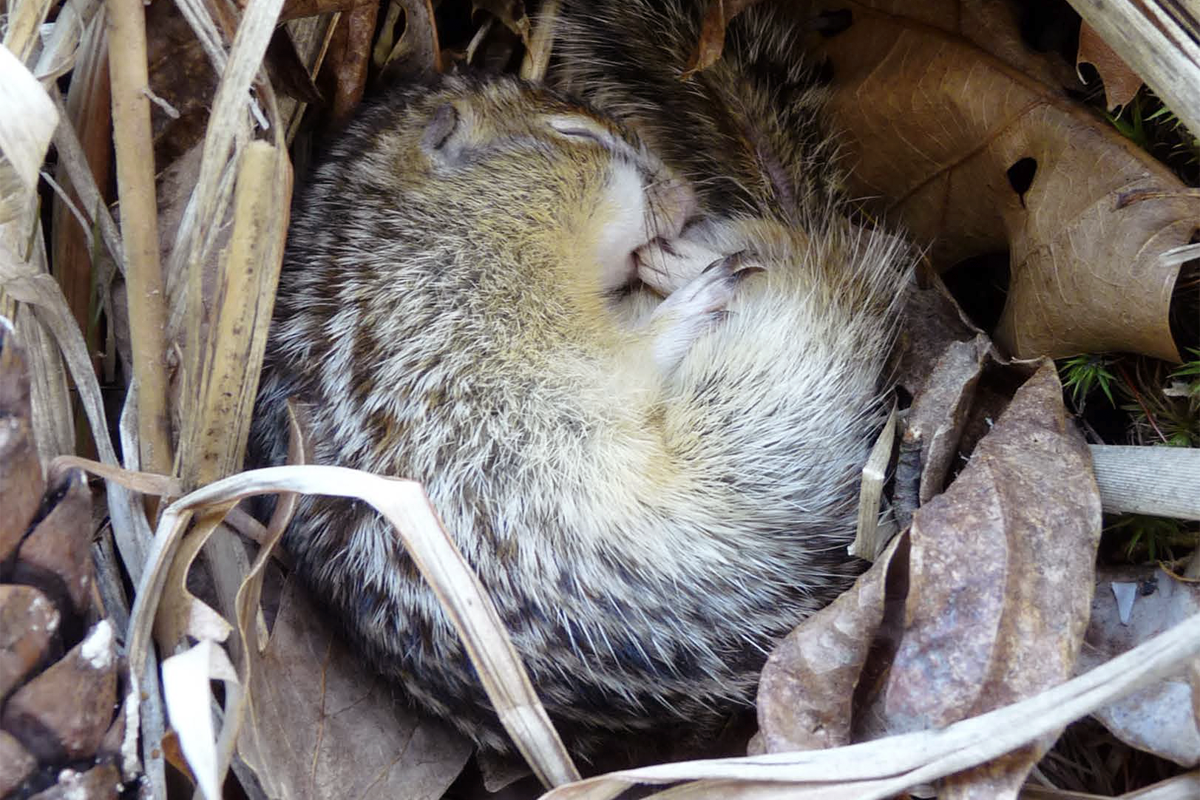
Hibernation isn't just "sleeping through winter." Students examine oxygen consumption data showing that ground squirrels reduce their metabolic rate by 98% during deep torpor. This dramatic physiological adaptation allows survival without food for months. The contrast between summer activity and winter torpor makes the data striking and the reasoning sophisticated.
Activity 3: Freezing Point Depression

Why does road salt stop working below certain temperatures? Students analyze the relationship between salt concentration and freezing point, discovering the eutectic point at -21°C where the chemistry simply won't allow further depression. This connects observable winter experiences (salted roads) to molecular-level interactions between ions and water molecules, demonstrating how macroscopic phenomena emerge from microscopic properties.
Activity 4: Reindeer Population Dynamics
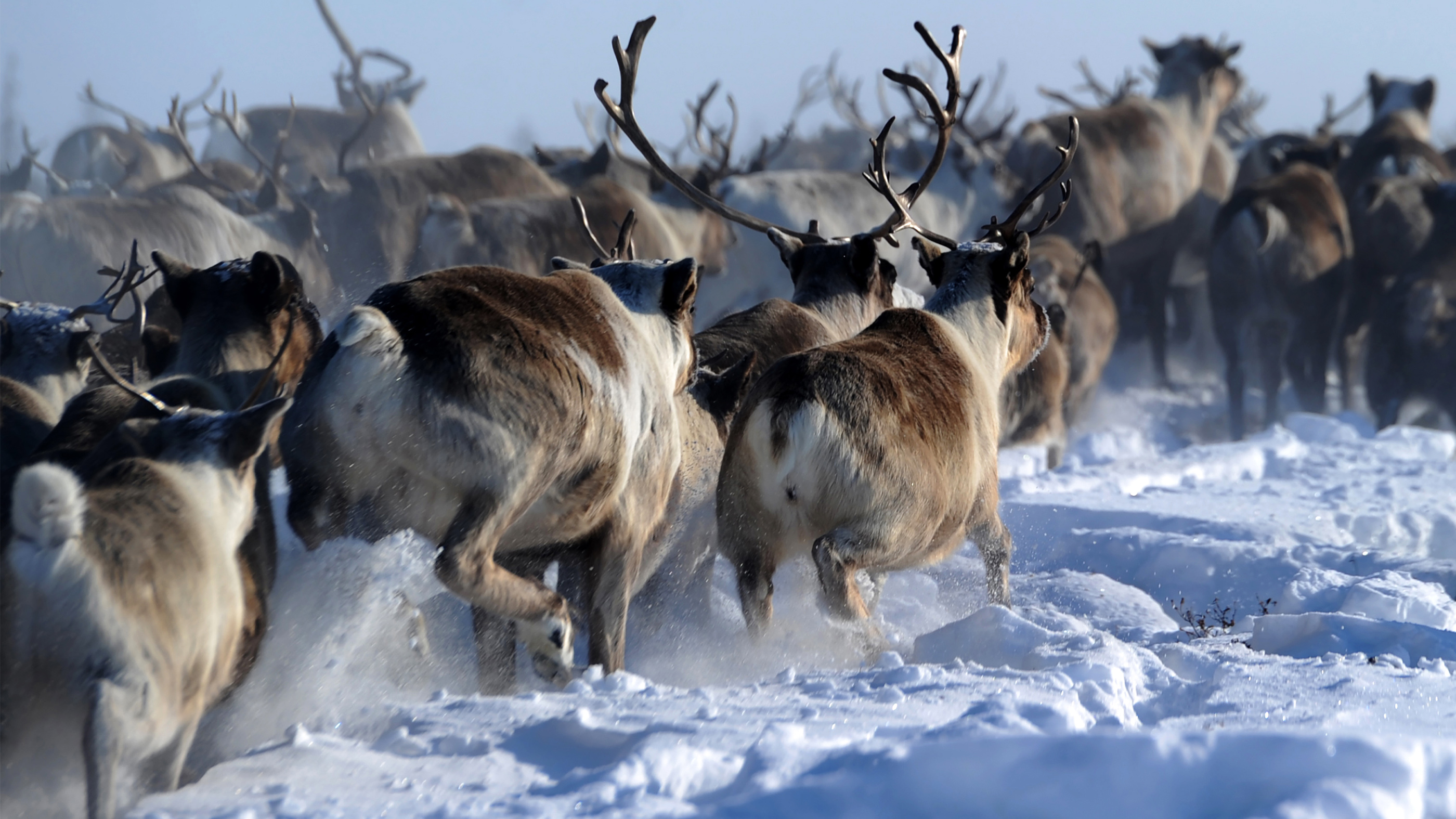
One of ecology's most dramatic examples comes from St. Matthew Island, where 29 reindeer grew to 6,000 before crashing to just 42 in three years. Students analyze this real historical data to understand carrying capacity, overshoot, and collapse. The winter connection? This story illustrates how Arctic ecosystems—and the organisms adapted to them—face unique survival challenges.
What Makes These Activities Work
Each activity features interactive graphs with real or research-based data, comprehensive background information that builds content knowledge, and detailed sample responses modeling sophisticated scientific reasoning. They're aligned to both NGSS and TEKS standards across middle and high school levels, addressing topics from molecular structure to ecosystem dynamics.
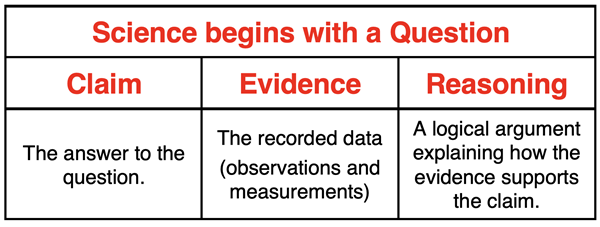
The winter context provides natural engagement, but the real learning comes from the CER framework that guides students through making specific claims, citing precise evidence, and explaining the scientific principles connecting their evidence to conclusions.

Implementation Strategies
Use these activities as engaging returns from winter break, authentic test preparation during December through February, or differentiated stations when you need flexible options. The varying difficulty levels—from physical science concepts to ecological systems—allow you to match activities to your curriculum needs and student readiness.
Ready to bring winter science to life in your classroom?
[Download FREE Winter CER Activities]
